Waste Removal in Sudbury: A Comprehensive Exploration
Introduction to Waste Removal in Sudbury
Sudbury is renowned for its vibrant communities and breathtaking natural landscapes, but the city’s rapid growth has also led to significant challenges in waste management. Waste Removal in Sudbury is a critical issue that not only impacts public health but also affects the environment and the future prosperity of the region. In this article, we explore the intricacies of proper waste disposal in Sudbury, highlight effective practices, and discuss innovative solutions that make the area a leader in efficient waste management. Understanding these strategies is essential for residents, businesses, and local government sectors alike.
Managing waste effectively in Sudbury entails various components, from routine garbage pickup and recycling to specialized disposal for hazardous materials. Waste removal in this region has evolved from traditional bin collections to embrace modern techniques that minimize environmental harm. This evolution has been driven in part by the emerging eco-friendly protocols that focus on reducing landfill use and optimizing recycling processes. As a result, the community has witnessed a significant shift towards a circular economy, where waste is not merely discarded, but repurposed for new and more sustainable applications.
One of the paramount challenges faced by the city is balancing the demands of a growing population with sustainable practices in waste disposal. Sudbury waste management now integrates cutting-edge technologies with public participation. The collaborative efforts by government bodies, local businesses, and residents contribute to ensuring that hazardous and non-hazardous wastes are processed appropriately. This article offers an in-depth look at how waste removal in Sudbury is not just a sanitation duty but a multifaceted process aimed at maintaining the city’s environmental integrity.
Innovative Collection Services and Environmental Impact

The foundation of efficient waste removal in Sudbury lies in its innovative collection services. Modern technology has streamlined everything from routing to pickup schedules, ensuring that collection teams operate with high precision. Municipal waste disposal services often employ advanced tracking systems that monitor the movement of garbage trucks, reducing the time spent on inefficient routes and lowering carbon emissions. This digitized approach has enhanced the overall effectiveness of waste management services, making it easier for residents to participate actively in community sanitation programs.
Environmental considerations have become central to Sudbury’s waste management strategies. The city now encourages a more conscious approach through public education campaigns, which emphasize the importance of segregating waste and embracing recycling practices. By distinguishing between organic waste, plastics, metals, and hazardous materials, Sudbury has been able to direct resources more efficiently, reducing the strain on landfills and promoting environmental sustainability. Waste removal in Sudbury is no longer solely about collection; it extends to environmental planning and community involvement, both of which are designed to protect and enhance the local ecosystem.
Alongside efficient collection operations, the city has invested in training for personnel to handle waste sensitively and safely. These educational programs often highlight safe waste disposal, particularly for materials that could be harmful to human health and the ecosystem. The meticulous training ensures that every step of the process is compliant with environmental regulations and best practices. Sudbury’s approach demonstrates that even routine activities like garbage collection can contribute significantly to a city's sustainable future, encouraging all stakeholders to work together harmoniously.
Sustainable Recycling and Eco-Friendly Practices
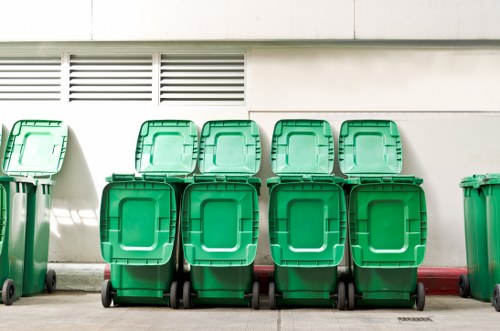
The success of waste removal in Sudbury is intricately linked to its pioneering recycling programs. The city actively promotes sustainable practices that extend beyond basic waste collection. Recycling facilities in Sudbury process a wide range of materials, including paper, glass, plastics, and even certain types of electronic waste. Through public initiatives and localized drop-off centers, residents are educated on separating recyclables from general waste, thus reducing environmental degradation and lowering landfill burdens.
In addition to conventional recycling, Sudbury has introduced several innovative initiatives aimed at reusing waste products. For example, some local businesses have collaborated with recycling plants to convert plastic waste into building materials and other industrial products. Such forward-thinking methods underline a commitment not just to sustainable waste removal but to innovative waste reutilization techniques that benefit both the economy and the environment. The overall focus is to create a closed-loop system where discarded materials are given a new lease on life.
Adopting eco-friendly practices in waste management has a cascading effect on community health and local biodiversity. A reduction in waste accumulation leads to fewer pest infestations and lower incidences of water and soil contamination. Moreover, the continuous feedback loop between recycling experts and municipal authorities drives enhancements in procedures, ensuring that every stage of waste removal in Sudbury adheres to strict safety and environmental guidelines. These practices not only promote a greener Sudbury but also set a benchmark for waste management strategies in similar urban settings worldwide.
Advanced Technologies and Community Engagement in Waste Disposal

The integration of advanced technologies in waste management has transformed traditional waste removal practices into a more efficient and transparent system. Sudbury’s municipal services now employ smart sensors and data analytics to monitor waste levels in real time, ensuring timely pick-ups and reducing overflow incidents. These digital improvements have radically enhanced efficiency, as managers can now optimize routes and allocate resources dynamically. This technological leap not only improves the quality of service but also cuts operational costs and leads to better environmental outcomes.
Community engagement plays a pivotal role in the overall waste management framework. Local initiatives often involve educational workshops, recycling drives, and volunteer programs that encourage residents to take an active role in maintaining a clean and sustainable environment. By embracing these community-led efforts, Sudbury waste management evolves to meet public expectations. The enhanced cooperation between citizens and local authorities creates a responsible and informed community, ensuring that waste disposal methods remain efficient and environmentally sound.
Modern waste technologies are frequently complemented by regular public awareness campaigns. These campaigns emphasize the burden of waste on natural resources and detail simple steps residents can take to contribute to environmental protection. For instance, detailed guidelines for sorting recyclables, disposing of hazardous materials, and properly handling bulk garbage collections are made accessible to everyone. The combined effect of technology and community spirit transforms trash removal in Sudbury into an exemplary model for modern waste disposal systems, where innovation meets collective responsibility.
Looking Ahead: The Future of Waste Removal in Sudbury
As Sudbury continues to expand, the future of waste removal will depend on sustainable innovations and a commitment to environmental excellence. The city’s forward-thinking approach emphasizes continuous improvement, ensuring that waste management systems adapt to new challenges posed by urbanization and industrial growth. Planned upgrades include further investments in renewable energy-powered collection vehicles and more efficient recycling technologies, paving the way for a greener tomorrow. The sustainable outlook on waste removal in Sudbury sets a strategic roadmap for long-term environmental conservation and public safety.
Local authorities are also exploring collaborative models that involve private waste disposal companies, thus increasing competition and enhancing service quality. By outsourcing certain waste streams to specialized firms, the city can focus on high-impact areas such as hazardous waste removal and large-scale recycling operations. This strategic division of labor highlights the importance of partnerships in boosting waste management effectiveness, ensuring that every facet of the process is streamlined and environmentally sound. Such measures are essential for maintaining the high standards expected from Sudbury waste management systems.
Public participation remains at the forefront of future waste removal strategies. As new technologies emerge, continuous community education and involvement become even more imperative. To meet the challenges that lie ahead, every stakeholder in the community must remain engaged, informed, and proactive. Whether you are a long-time resident or a new business owner, your contribution can drive significant positive change. Waste Removal in Sudbury is not just a service; it is a critical community function that sustains the health of the local environment. Contact us today to get involved and play your part in shaping a sustainable future for Sudbury. Book your service now to experience the benefits of responsible waste management firsthand.
